
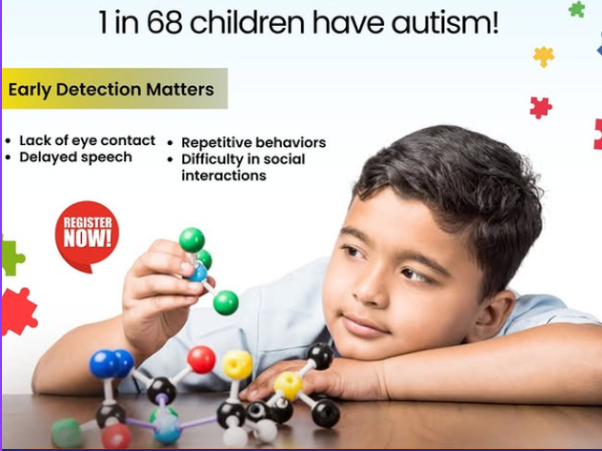
Autism Spectrum Disorder (ASD) is a complex neurodevelopmental condition that affects how a person communicates, interacts socially, learns, and behaves. Autism is called a “spectrum” because it affects individuals differently and to varying degrees. Some people with autism may need significant support in daily life, while others may live independently and excel in specific skills.
In recent years, awareness and understanding of autism have grown significantly. According to global health studies, autism affects millions of children and adults worldwide, making early diagnosis and proper support more important than ever.
What Is Autism Spectrum Disorder?
Autism Spectrum Disorder (ASD) is a lifelong neurological condition that typically appears in early childhood, often before the age of three. Autism impacts brain development, influencing how individuals perceive the world and interact with others.
Autism is not a disease and does not have a single cause or cure. Instead, it is a different way of brain functioning. Many individuals with autism have unique strengths, such as strong memory, attention to detail, creativity, or exceptional abilities in art, music, mathematics, or technology.
Common Symptoms of Autism
Autism symptoms vary widely, but they generally fall into two main categories:
1. Social Communication and Interaction Challenges
- Difficulty making eye contact
- Delayed speech or language development
- Limited use of gestures or facial expressions
- Trouble understanding social cues and emotions
- Difficulty forming friendships
- Appearing uninterested in social interactions
2. Repetitive Behaviors and Restricted Interests
- Repetitive movements (hand flapping, rocking, spinning)
- Strong attachment to routines or rituals
- Distress when routines change
- Intense focus on specific topics or objects
- Sensitivity to sounds, lights, textures, or smells
Symptoms can range from mild to severe, which is why autism is described as a spectrum.
Early Signs of Autism in Children
Early detection of autism can significantly improve outcomes. Parents and caregivers should watch for these early signs:
- No babbling or pointing by 12 months
- No single words by 16 months
- No two-word phrases by 24 months
- Loss of language or social skills at any age
- Limited response to name
- Lack of pretend play
If these signs are present, consulting a pediatrician or developmental specialist is essential.
Types of Autism Spectrum Disorder
Previously, autism was classified into separate conditions. Today, these are grouped under ASD:
1. Autistic Disorder
Often referred to as “classic autism,” this includes significant language delays, social challenges, and repetitive behaviors.
2. Asperger’s Syndrome
Individuals typically have average or above-average intelligence and strong language skills but struggle with social interaction and flexibility.
3. Pervasive Developmental Disorder – Not Otherwise Specified (PDD-NOS)
A milder form of autism with fewer or less severe symptoms.
Causes of Autism
There is no single known cause of autism. Research shows that autism develops due to a combination of genetic and environmental factors.
Possible Causes Include:
- Genetic factors: Autism often runs in families
- Brain development differences
- Prenatal factors (advanced parental age, pregnancy complications)
- Environmental influences
❗ Important: Vaccines do not cause autism. This has been scientifically disproven by extensive research.
How Is Autism Diagnosed?
There is no medical test, such as a blood test, to diagnose autism. Diagnosis is based on behavior and developmental history.
Diagnostic Process:
- Developmental screening by pediatricians
- Behavioral evaluations
- Speech and language assessments
- Psychological assessments
Autism can be reliably diagnosed as early as 18–24 months, though some individuals are diagnosed later in life.
Autism Treatment and Therapy Options
While there is no cure for autism, early intervention and therapy can greatly improve quality of life.
Common Autism Therapies:
1. Behavioral Therapy (ABA)
Applied Behavior Analysis (ABA) helps improve communication, learning, and social skills.
2. Speech and Language Therapy
Helps individuals develop communication skills, including nonverbal communication.
3. Occupational Therapy
Improves daily living skills, sensory processing, and motor coordination.
4. Social Skills Training
Teaches interaction, conversation, and relationship-building skills.
5. Educational Support
Special education programs and individualized education plans (IEPs) help children succeed in school.
Autism in Adults
Autism is lifelong, and many adults remain undiagnosed until later in life. Adults with autism may experience:
- Difficulty in workplace communication
- Challenges with relationships
- Sensory sensitivities
- Anxiety or depression
However, with understanding and support, many adults with autism lead successful, independent lives and contribute significantly to society.
Living With Autism: Support for Families
Families play a crucial role in supporting individuals with autism.
Tips for Parents and Caregivers:
- Learn as much as possible about autism
- Maintain consistent routines
- Use clear and simple communication
- Celebrate strengths and achievements
- Seek professional support and therapy
- Join autism support groups
Emotional support for caregivers is equally important, as caring for a child with autism can be challenging.
Autism Awareness and Acceptance
Autism awareness is about understanding autism, while autism acceptance focuses on respecting and including individuals with autism in all aspects of life.
Creating inclusive schools, workplaces, and communities helps individuals with autism reach their full potential.